

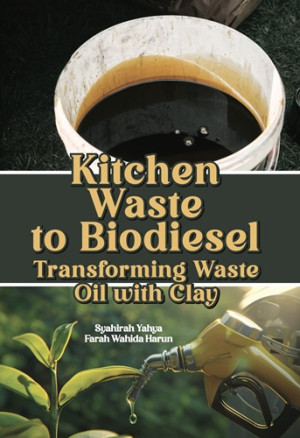
Kitchen Waste to Biodiesel: Transforming Waste Oil with Clay
ISBN:
Categories:
File Size
Format
Language
Release Year
Synopsis
Most people dispose of waste oil from their kitchen without proper treatment which later causes environmental pollution. One of the ways for waste oil treatment is by repurposing it into eco-friendly biodiesel. Biodiesel is normally produced from fresh vegetable oil, which competes with food resources and drives up prices. However, the current vegetable oil feedstock to produce biodiesel slows the growth of biodiesel blend implementation due to the high cost of feedstock production. Consequently, waste cooking oil is claimed to be economical and readily available without cultivation and is a highly potential feedstock for high biodiesel production. This book discusses the modification of natural clay Montmorillonite K10 (MMT KIO) with iron (Fe) for the optimization of biodiesel production from waste cooking oil via simultaneous esterification transesterification reaction. The ability of Fe-MMTK10 to assist the reaction is due to the specific properties of the catalyst itself and has a high potential to be used in converting waste oil to biodiesel. This approach will help conserve energy and promote the use of renewable resources as outlined in the National Green Technology Policy (2009). Proper utilization and management of waste cooking oil as biodiesel can also address environmental problems.